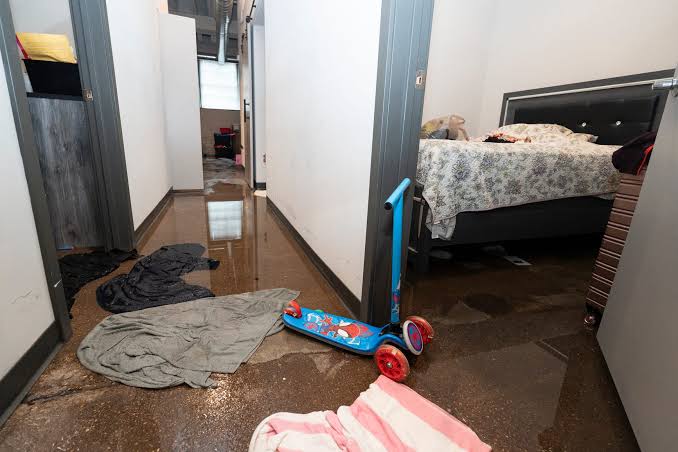
Our phones follow a specific pattern every year. June stays relatively steady. Then late August rolls into September, the humidity that’s been building all summer stops giving properties any break, and the water damage restoration calls climb sharply. Not gradually. Sharply. By the second week of September, we’re routing weekend response schedules that look nothing like what June looked like. A homeowner off Church Road called us at 6 a.m. last September because water was actively dripping from her upstairs bathroom ceiling. The source turned out to be an AC condensate overflow that had been progressing for weeks in her attic. That call was one of about 40 similar calls we received across DeSoto County that same week. The late summer water damage restoration pattern in Southaven is predictable enough to name plainly, and understanding it helps property owners recognize when they should be paying attention rather than assuming everything is fine because they don’t see anything visible.
What Actually Changes in Late Summer That Drives the Calls
Southaven homeowners often assume the summer stress on residential systems peaks in July and gradually eases through August. That’s not what actually happens. Late August and September specifically produce conditions that accelerate water damage risk more than earlier summer months.
The specific factors that make late summer different:
- Cumulative AC runtime since May has produced maximum wear on cooling systems, with components approaching or exceeding their reasonable maintenance intervals
- Sustained overnight humidity without the brief cooler periods earlier summer sometimes produces
- Peak dew points regularly in the low 70s across DeSoto County, meaning ambient moisture stays consistently high
- Continued heavy thunderstorm activity that stresses roofing systems that have already been through months of stress
- Late-season tropical weather from Gulf systems producing occasional saturating rainfall events
- Aging seals and components on plumbing and mechanical systems that have been thermally cycling since May
- Fatigued homeowners who deferred maintenance during peak summer and now face compounded problems
- Pest activity peaks in late summer, and rodents in attics can produce plumbing or wiring damage that surfaces as water problems
For Southaven properties specifically, the DeSoto County location adds some regional dimensions. The area’s growth pattern means substantial residential construction from the 1990s and early 2000s is now reaching ages where original systems are approaching failure timelines. Original supply lines from that era, original AC systems, and original roofing are all at the age where late summer stress produces failures.
Materials that could dry between weather events in April stay wet through September. Small water intrusion events that would resolve themselves in cooler months progress steadily toward mold conditions and structural damage. The cumulative effect is that many properties reach a critical point in late summer that they wouldn’t have reached at other times.
The AC Condensate Story That Catches Southaven Homeowners Off Guard
The single most common water damage restoration call in Southaven during late summer isn’t from a burst pipe or a leaking roof. It’s from air conditioning condensate systems overflowing.
Every functioning AC system produces condensate. The volume increases significantly when the system runs harder against higher outdoor temperatures. A residential AC system in Southaven during peak summer heat can produce 15 to 30 gallons of condensate per day. That water is supposed to drain through the condensate line to a designated discharge point.
When the condensate line fails to drain properly, the water backs up. It fills the condensate pan below the evaporator coil. Then it triggers the float switch if one is present and functioning. If not, or if the float switch has failed, the water overflows the pan and starts affecting whatever is below.
For homes with the air handler in the attic, which is common in Southaven housing stock, this means water starts affecting ceiling assemblies, insulation, and interior walls before the homeowner sees any visible symptom. For homes with the air handler in a closet or utility room, the water may be visible faster but the damage can still extend significantly by the time it’s discovered.
The condensate-related water damage restoration situations we see consistently:
- Ceiling saturation from attic-installed air handlers with overflow that has been progressing for days
- Wall damage below air handler locations from sustained overflow
- Insulation contamination in the affected area, which typically requires removal and replacement
- Mold conditions in the ceiling or wall assemblies where the water has been present, since Mid-South humidity produces mold quickly
- Structural material damage to drywall, wood framing components, and any absorbent materials in the affected area
- HVAC system contamination as the water backup affects electrical components in the air handler itself
The homeowner off Church Road had this exact situation. Her condensate line had partially clogged with biological growth over the summer. The float switch that should have shut off her system when the pan filled had failed. Water had been dripping into her attic insulation for approximately three weeks before it finally saturated enough to appear on her ceiling below.
The prevention is straightforward: annual spring AC service includes condensate line clearing and float switch verification. Homes that get condensate overflow calls in September are almost always the ones that skipped that spring service.

The Plumbing Failures That Late Summer Produces
The second cluster of late-summer water damage restoration calls in Southaven comes from plumbing failures that reflect the accumulated stress of summer months.
The specific plumbing patterns we see repeatedly:
- Supply line failures at fittings that have been thermally cycling since May, particularly at older compression fittings and solder joints
- Water heater failures including tank ruptures and connection point leaks under sustained thermal stress
- Toilet supply line hose failures on braided stainless steel hoses that have been in service more than five years
- Ice maker and refrigerator supply line failures which show up more in summer because ice production runs harder
- Angle stop valve failures at fixtures throughout the property, particularly older brass valves
- Whole-house filtration system connection failures under sustained pressure
- Outside spigot failures producing water damage from irrigation or hose bib leaks
For older Southaven homes, particularly the 1970s-90s housing in established neighborhoods, these failures happen at meaningfully higher rates than in newer construction. The compounding effect of years of thermal cycling, sustained humidity, and slight water quality variations produces failure patterns that concentrate in late summer.
The specific practice that reduces these situations: an annual spring plumbing walk-through by a qualified plumber or restoration professional that checks visible supply lines, tests angle stops, inspects water heater condition, and identifies aging components before they fail. That inspection typically costs $150 to $300 and prevents most late-summer plumbing water damage situations.
The Roofing and Storm-Related Water Intrusion
Southaven’s late summer also produces water damage from roofing and storm-related sources at rates higher than earlier in the season. The mechanism is cumulative rather than acute.
The specific patterns:
- Cumulative roofing stress from months of intense sun exposure, thermal cycling, and storm activity produces vulnerabilities that surface as leaks during the next significant rain event
- Gutter and drainage failures from debris accumulation during summer storms causing water backup and intrusion at roof edges and fascia
- Flashing failures at chimneys, skylights, and roof penetrations where UV degradation has weakened sealants
- Aged shingle damage from previous summer storm events that hadn’t produced visible leaks but had compromised the roof’s water shedding capability
- Tropical weather remnants from Gulf storm systems producing saturating rainfall events that expose these accumulated weaknesses
- Attic ventilation issues where inadequate ventilation combined with high humidity produces condensation that appears as leak-like damage in ceilings
For Southaven properties with roofs approaching or exceeding 15 years of age, these situations show up predictably in late summer. The roof that made it through July may not make it through September.
For property managers overseeing multiple Southaven rental properties, flood damage repair capability that responds quickly to these situations produces significantly better outcomes than delayed response as damage extends.

The Absence Pattern That Compounds Everything
The final cluster of late-summer water damage restoration situations in Southaven comes from properties where the damage progressed unnoticed during periods of absence.
Late August and early September include Labor Day travel, back-to-school preparation, and end-of-summer trips. Properties left unoccupied during this period sometimes develop water problems that progress significantly before anyone returns to notice them.
The specific absence-related patterns:
- Return-from-vacation discoveries where a small leak that developed during the absence has saturated significant portions of the property
- Rental property gaps between tenants where problems develop without on-site observation
- Second-home discoveries where properties used mainly on weekends develop weekday problems
- Extended-family caretaking situations where an occasional check-in missed a developing problem
- Landlord discovery on periodic inspection of situations tenants had been experiencing but not reporting
For Southaven property owners with rental portfolios, the specific vulnerability is that tenants sometimes don’t report developing water issues promptly. Small ceiling stains get watched rather than reported. Slow drips get lived with. When the situation eventually reaches the landlord’s attention, the scope has typically expanded significantly beyond what it would have been at first observation.
The preventive practices that reduce these situations:
- Water shutoff during any absence longer than a few days
- Installation of leak detection systems with alerts
- Property manager or trusted neighbor walkthrough every three to four days during longer absences
- Written expectations for rental tenants about prompt reporting of any water-related observations
- Regular property inspections for rental properties, particularly during humid summer months
The Late Summer Pattern Is Predictable Enough to Get Ahead Of
Southaven water damage restoration calls cluster in late summer for real reasons that follow directly from what months of Mid-South heat and humidity do to residential systems, roofs, and plumbing. Property owners who understand the seasonal pattern, address the preventive maintenance that catches developing issues, and respond promptly when situations do develop consistently avoid the emergency situations their less prepared neighbors end up dealing with. The calendar is predictable. The failures the late summer produces are predictable. What isn’t predictable is which specific property will develop significant issues, which is exactly why proactive attention during August and September matters more than reactive response after conditions have already progressed. The homeowner off Church Road was one of about 40 similar calls that week. The property owners who avoided joining that list weren’t luckier. They’d done the specific things that consistently produce better outcomes.
Get Water Damage Restoration Response for Your Southaven Property
The team at Landmark Construction & Emergency Services is ready to help. Contact us today to schedule water damage restoration response at your Southaven, MS property with the certified crews, insurance coordination, and prompt response that the late summer season’s specific patterns genuinely require.